Charming is not a strategy
Here is the problem with how most places describe themselves. Open the websites of any historic region and you will find the same handful of words. Charming. Steeped in history. Hidden gem. A warm welcome.
All of these are true whilst none of them are distinguishing or unique. If your website says steeped in history, so do many more that are all competing for the same weekend audience.
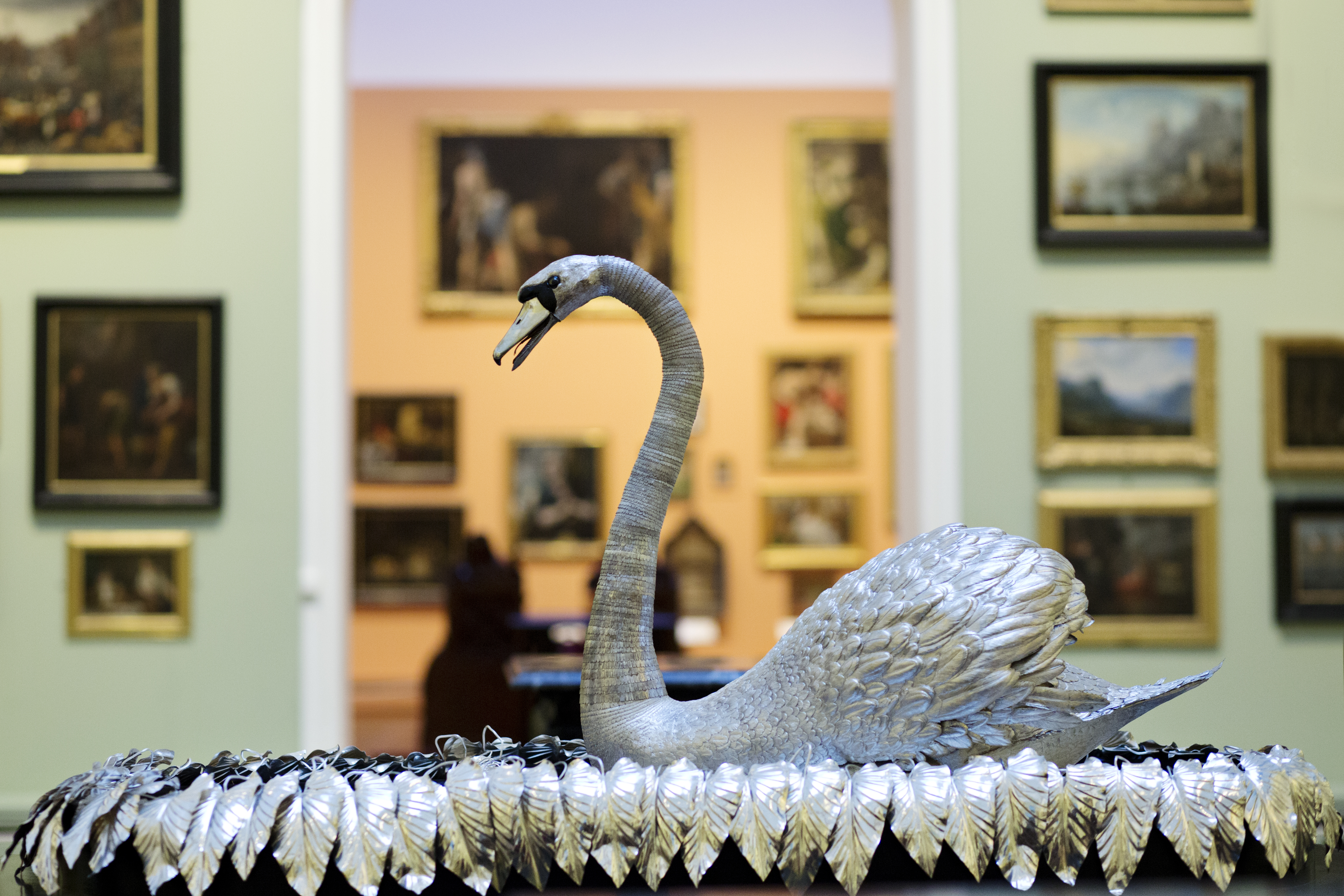
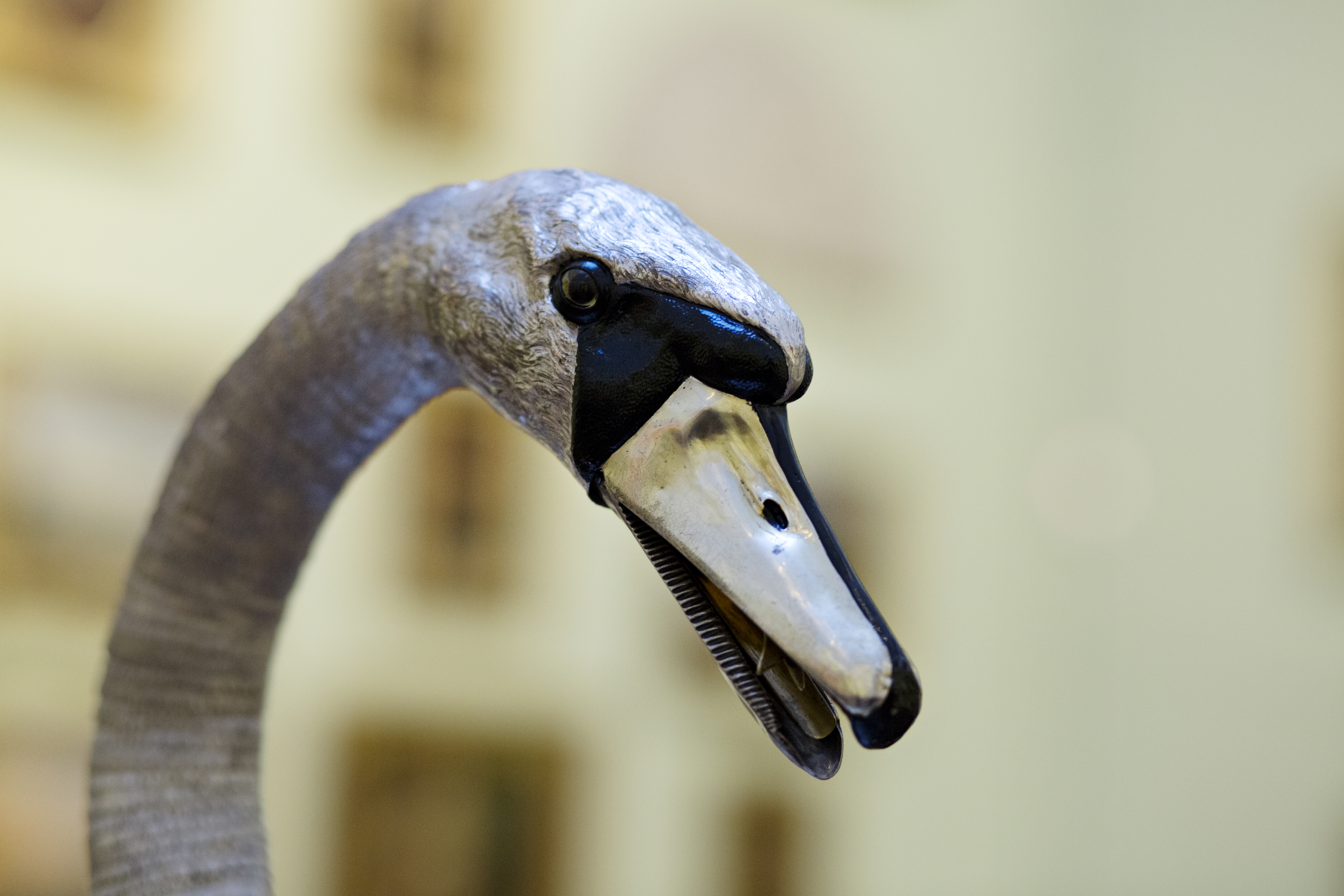
The swan works because it is absurdly specific. A 250 year old mechanical bird with a daily routine. You cannot confuse that with anywhere else, which is exactly why people film it.
During our analysis we found a bar with a sign reading, roughly, probably the smallest gin bar in the world. That is the same instinct. It is not claiming to be the best. It is claiming to be one specific thing and it has put that claim on a wall where people photograph it.
My favourite example of this is not British at all. In 2016 the Faroe Islands strapped solar powered 360 degree cameras to free roaming sheep, because the islands had more sheep than people and nobody from Google had turned up to map the islands. ‘Sheep View’. Within two weeks the hotels in the capital were sold out, within two months Google Street View gave in and sent a crew.
Nobody arrived at that idea by writing down the word charming.
My experience around the event highlighted something clear to me
I drove over the night before. Low cloud, long country lanes, the kind of visibility where you are grateful for a sign appearing when it should.
Driving into the venue in the morning, a man in a hi-viz told me exactly where to park and someone would meet me beyond the car park. The night before, a receptionist stayed friendly and unflustered while the phone rang and rang and rang. Staff walked me through every step of a site I would still be lost in. Two people I had never met made sure I was comfortable with the lectern before I went on.
I had come to tell a room to find its swan but the people kept showing me a clear answer.
None of those people appear in visitor statistics. They are not in an economic impact model. They are not in an occupancy figure. Every standard measure the sector uses is blind to them.
Except they are everywhere in the online reviews. Once you have scored a few thousand of them you notice that visitors rarely write about architecture. They write about a person. A server in a hidden café A volunteer who made their day. Someone who went and found an umbrella.
The swan is a wonderful sight and a very good story but during this insightful day I realised that most swans have a name badge.
A note on levies, since it came up
Simon Calder spoke before me and was asked about visitor levies. His answer was more useful than the usual arguments. If a place is genuinely overrun, tax it and put the money into the community carrying the cost. He named the obvious examples. If a place is not overrun, a levy can look like free money and deserves real caution.
I have written about levies before. This sits in honest tension with my own position rather than neatly alongside it. My argument has always been about evidence rather than whether to charge. A place that is not overrun still needs to know what it has before it decides anything.
Simon Calder is right that these are two different problems. One is about managing attention you already have. The other is about earning attention you do not. Most of the UK is in the second group and talks as though it is in the first.
What to do with this
If you run a place or a business in one, the useful question is not what makes you special. Everyone answers that question with the same words.
Better questions: what do visitors already praise that you never mention? What is the one thing here that genuinely exists nowhere else? And who on your team do people write about by name?
You can answer the first two with your own reviews and an afternoon of speaking to your customers and team. The third one you probably already know.